
An OEM request that says only “quote this product” leaves important decisions undefined. Buyers receive more comparable answers when the brief separates fixed requirements from items that the factory may recommend.
State the target market, intended product category, required form factor, technical targets, branding scope, evidence requirements, order quantity and delivery destination. Ask the supplier to identify every assumption in its quotation.
01 — Market
Start with where and how the product will be sold
The destination market affects labeling, manuals, evidence requests and the commercial route. Describe whether the product is intended for consumer wellness, beauty, sports recovery, professional use or animal care. Avoid assuming that documentation for one model or market automatically applies to another.
- Destination country or region
- Sales channel and intended user
- Planned product category and marketing position
- Required manual and packaging languages
02 — Format
Define the physical product before discussing options
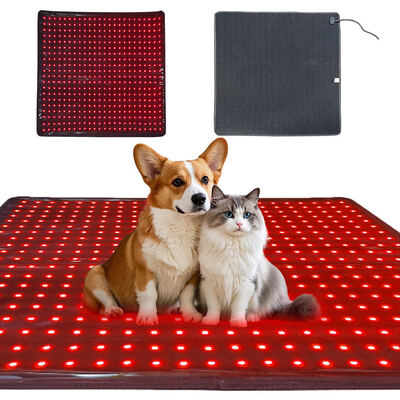
Identify the format—panel, wrap, belt, mat, mask, handheld device or veterinary product—and give the intended dimensions or treatment area. If a reference image is used, explain which features are essential and which are only visual references.
03 — Optical
Specify measurable targets and measurement conditions
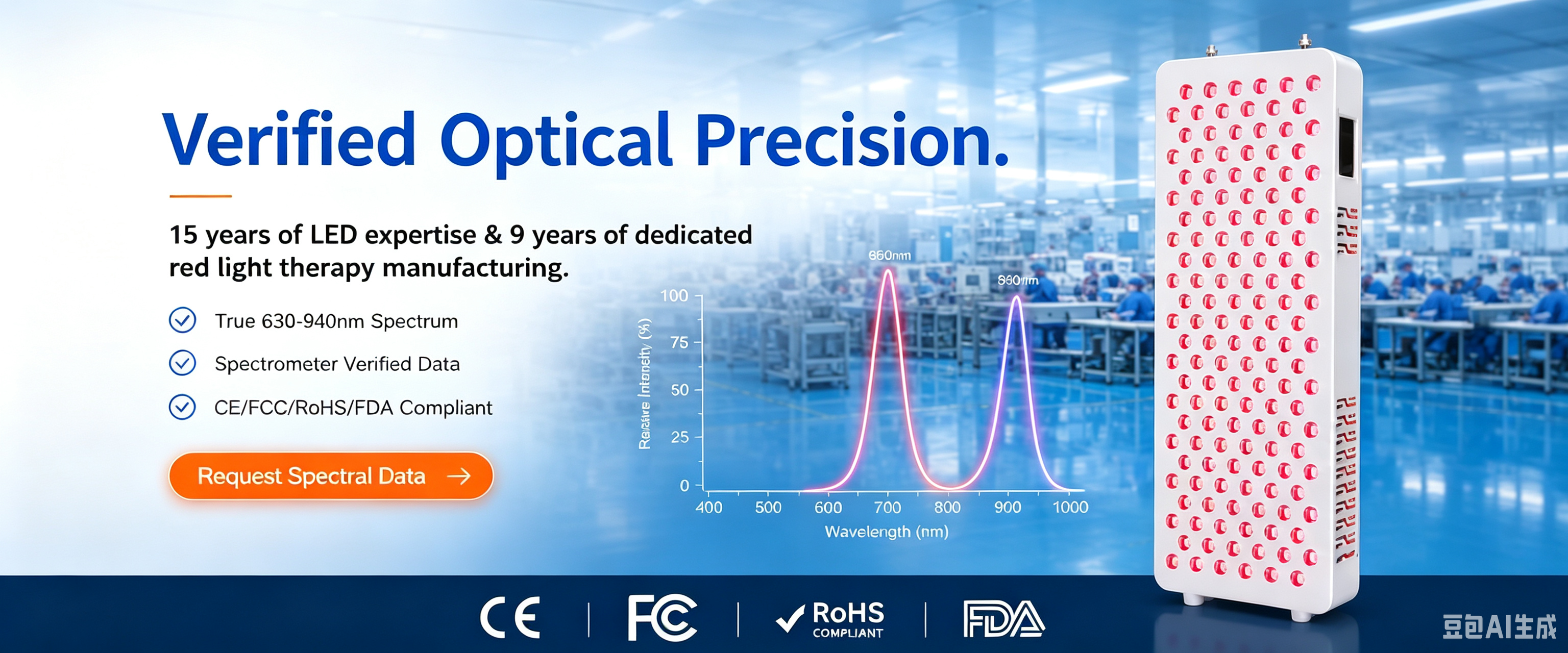
List the wavelength combination under consideration and ask the supplier to confirm available configurations. If power density or irradiance matters, specify the required measurement distance and test method so quotations can be compared on the same basis.
- Requested wavelengths or acceptable alternatives
- Target output and measurement distance
- Coverage area and LED layout priorities
- Electrical input and plug requirements
- Thermal, noise or operating-time constraints
04 — Controls
Separate required functions from optional concepts
Timers, dimming, pulse modes, remote controls, Bluetooth, Wi-Fi or app concepts affect electronics, development effort and testing. Mark each item as required, preferred or optional. Include brand color, logo location, packaging structure and manual requirements in the same brief.
05 — Evidence
Request documents by model, version and market
Ask which certificates, test reports, declarations and quality records are available for the proposed SKU. Confirm the model number, applicant, manufacturer, referenced standards, issue date and scope. If modifications are planned, ask whether the existing evidence remains applicable.
- Model-specific certificate or report list
- Electrical and electromagnetic compatibility evidence
- Material or substance-restriction documents where applicable
- Inspection criteria and production test records
- Warranty terms for the quoted model
06 — Commercial
Give the factory enough information to quote the right scenario
MOQ, sample requirements, tooling, packaging, order forecast and destination all influence cost and lead time. State a target launch date and ask the supplier to separate sample, tooling, certification, production and freight assumptions.
| Quantity | Sample quantity, first order and annual estimate |
|---|---|
| Branding | Logo, color, housing, label, packaging and manual scope |
| Timeline | Sample deadline, approval window and target launch |
| Delivery | Destination, Incoterm request and document requirements |
Final checklist
Copy these inputs into your next RFQ
- Company, channel and destination market
- Product format, dimensions and use scenario
- Wavelength, output and measurement requirements
- Controls, accessories and electrical specification
- Branding, packaging and manual languages
- Required certificates, reports and inspection evidence
- Sample quantity, order forecast and target cost
- Timeline, destination and requested trade terms